
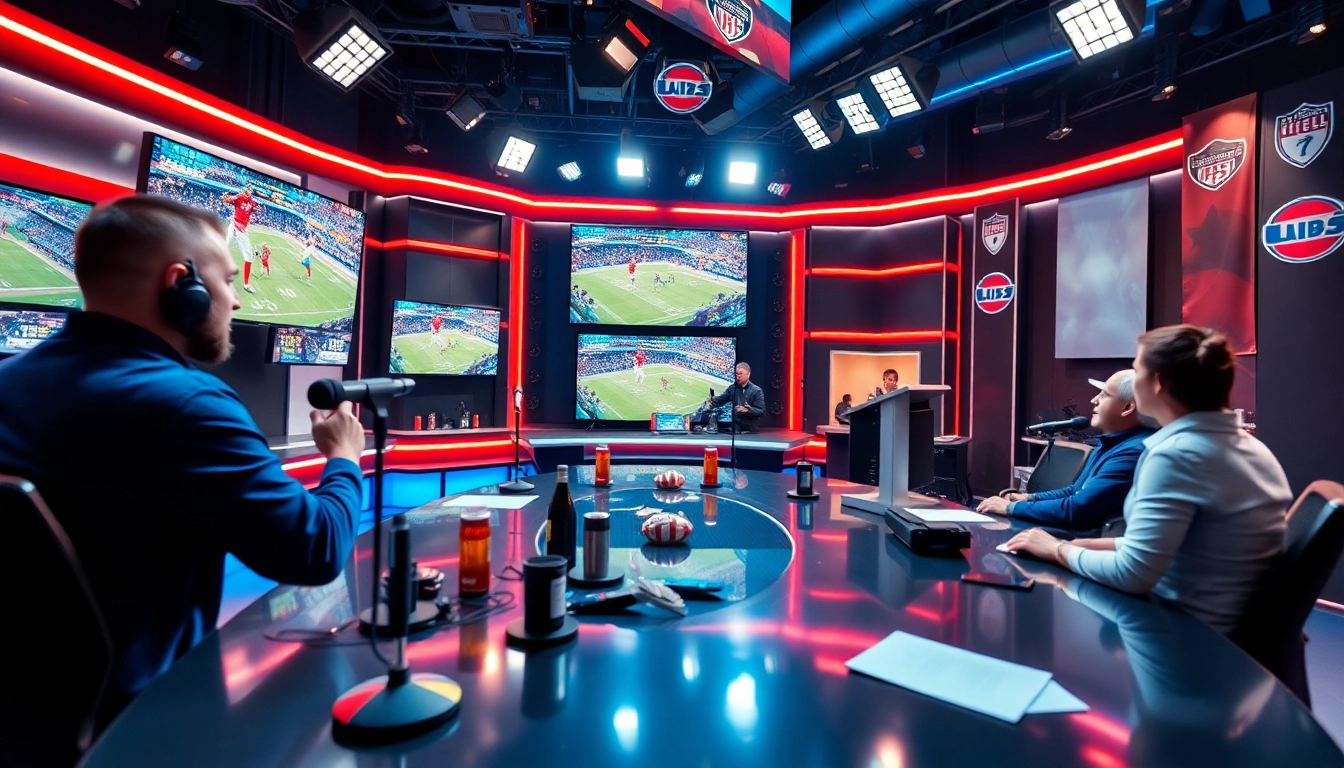
Understanding the Basics of Sports Broadcasting
Sports broadcasting is a dynamic and rapidly evolving sector that captures the excitement of athletic events and delivers it to fans around the world. With advancements in technology and shifts in audience consumption habits, the landscape of Sports Broadcasting is continually transformed. In this article, we will explore the foundational elements of sports broadcasting, the role of technology, the variety of platforms available, and key terminology that viewers and professionals alike should be familiar with.
The Role of Technology in Sports Broadcasting
Technology plays a crucial role in the evolution of sports broadcasting. From the inception of color television to today’s 4K and 8K broadcasts, technological advancements have enhanced viewer experiences. Innovations such as HD cameras, drones for aerial shots, and real-time data integration are standard in today's broadcasts. Additionally, augmented reality (AR) and virtual reality (VR) technologies are beginning to create immersive viewing environments that allow fans to experience games from different perspectives.
Types of Sports Broadcasting Platforms
The landscape of sports broadcasting has diversified, encompassing a variety of platforms that cater to different audiences. Here are the primary types of platforms:
- Traditional Television: The classic method for broadcasting sports, employing networks such as ESPN, NBC, and local channels to reach large audiences.
- Online Streaming Services: Platforms such as Hulu Live, YouTube TV, and Amazon Prime offer sports content, catering to cord-cutters looking for flexible viewing options.
- Mobile Applications: Many leagues and teams spotlight their own apps, enabling fans to watch games and highlights directly from their smartphones.
- Radio Broadcasts: While less visual, radio remains an important medium, particularly for local sports teams and specific events.
Key Terms in Sports Broadcasting You Should Know
Understanding the terminology is crucial for anyone involved in or passionate about sports broadcasting. Here are some essential terms:
- Live Streaming: The broadcast of events in real-time over the internet.
- Play-by-Play: The commentary that narrates the action of the game as it happens.
- Color Commentary: Provides insights, statistics, and background information on the players and teams.
- Post-Game Analysis: A review of the event following its conclusion, often highlighting key moments and statistics.
Growing Importance of Audience Engagement in Sports Broadcasting
In an era where viewers have endless options for entertainment, audience engagement has become paramount in sports broadcasting. Fans expect more than just a game; they desire interaction and personalization that resonates with their own experiences. Here, we’ll explore techniques for enhancing engagement and the role of social media in broadcasting.
Techniques to Enhance Fan Interaction
Enhancing fan interaction can be achieved through various innovative techniques, including:
- Interactive Features: Integrating polls, quizzes, and real-time feedback during broadcasts can increase viewer participation.
- Fan-Centric Content: Showcasing fan stories, reactions, or experiences creates a sense of community and connection.
- Behind-the-Scenes Access: Exclusive content, such as player interviews or training sessions, can deepen the audience's connection to teams and events.
Utilizing Social Media for Broadcasting
Social media platforms offer powerful tools for enhancing sports broadcasts. Players, teams, and networks use platforms like Twitter, Instagram, and TikTok to engage audiences in real-time. This includes live tweeting during games, sharing highlight reels, or conducting Q&A sessions with athletes. Utilizing social media not only broadens the reach of broadcasts but also fosters a community among fans, allowing for discussions and interactions that extend beyond the game itself.
Future Trends in Audience Engagement
Looking ahead, several trends are shaping the future of audience engagement in sports broadcasting:
- Personalized Viewing Experiences: Tailoring content to individual viewer preferences will become more sophisticated through AI-powered recommendations.
- Augmented Reality: AR can enhance broadcasts by allowing viewers to access real-time statistics and player information overlaid on their screens.
- Esports Integration: As the popularity of esports grows, traditional sports broadcasting is likely to incorporate esports events and communities into their offerings.
Essential Components of a Successful Sports Broadcasting Strategy
To thrive in the competitive field of sports broadcasting, several components must be factored into a successful strategy. This includes quality production techniques, selecting the right equipment, and leveraging analytics effectively.
Quality Production Techniques for Live Events
The production quality of a live broadcast can make or break viewer satisfaction. High-quality visuals, clear audio, and seamless editing are essentials. Utilizing multiple camera angles and employing skilled directors and producers can create a dynamic viewing experience. Additionally, incorporating graphics such as live stats, score updates, and player bios keeps the broadcast engaging and informative.
Selecting the Right Broadcasting Equipment
The backbone of any sports broadcasting operation is its equipment. Essential gear includes:
- Cameras: High-definition cameras that can capture fast-moving action are critical.
- Microphones: Quality microphones for clarity in commentary and natural sound capture.
- Mixing Consoles: Necessary for managing various audio inputs and ensuring balanced sound.
- Editing Software: For post-production, ensuring smooth transitions and professional-quality output.
Integrating Analytics into Sports Broadcasting
Analytics play a vital role in shaping broadcasting strategies. By analyzing viewer preferences, engagement levels, and demographic data, broadcasters can tailor their content to meet audience needs. This may involve adjusting programming, experimenting with new formats, or even altering broadcast times to capture the largest audience possible. Incorporating analytics into strategy also assists in assessing the success of marketing campaigns and promotional efforts.
Addressing Challenges in Sports Broadcasting
While the opportunities in sports broadcasting are vast, numerous challenges remain. Addressing these issues is key to sustaining growth and viewer satisfaction.
Managing Streaming Quality and Latency Issues
Streaming quality and latency can significantly impact the viewer experience. To combat these issues, broadcasters must invest in reliable infrastructure and ensure sufficient bandwidth to handle large audiences. Utilizing content delivery networks (CDNs) can optimize streaming efficiency. Regularly testing the broadcast before live events is also essential to identify and rectify potential issues.
Overcoming Licensing and Rights Restrictions
Licensing complexities and rights restrictions can pose significant hurdles to sports broadcasters. It is crucial to stay informed of contractual obligations and negotiate rights effectively to access desired content. Leveraging partnerships with legal experts who specialize in media rights can enhance understanding and navigation of these complex issues, ensuring smooth operations moving forward.
Strategies for Competitive Differentiation
In a saturated market, broadcasters must carve out a unique space for themselves. Employing innovative content formats, emphasizing quality, and building strong relationships with audiences can differentiate a broadcaster from competitors. Additionally, investing in technologies like AI for automating certain processes or enhancing content personalization can provide a competitive edge in delivering engaging broadcasts.
Frequently Asked Questions about Sports Broadcasting
What equipment is essential for sports broadcasting?
A reliable camera, microphone, switcher, and broadcasting software are key components for successful sports broadcasts.
How can social media enhance sports broadcasting?
Social media fosters direct interaction, provides real-time updates, and boosts fan involvement during broadcasts, enhancing overall engagement.
What are the common challenges faced in sports broadcasting?
Top challenges include latency issues, licensing restrictions, and maintaining viewer interest, all of which require strategic solutions.
How do analytics contribute to sports broadcasting?
Analytics helps measure audience engagement, optimize content, and refine broadcasting strategies based on viewer behaviors and preferences.
What future trends should we expect in sports broadcasting?
Expect advancements in AR/VR, interactive content, and AI-driven insights to significantly reshape the broadcasting landscape moving forward.